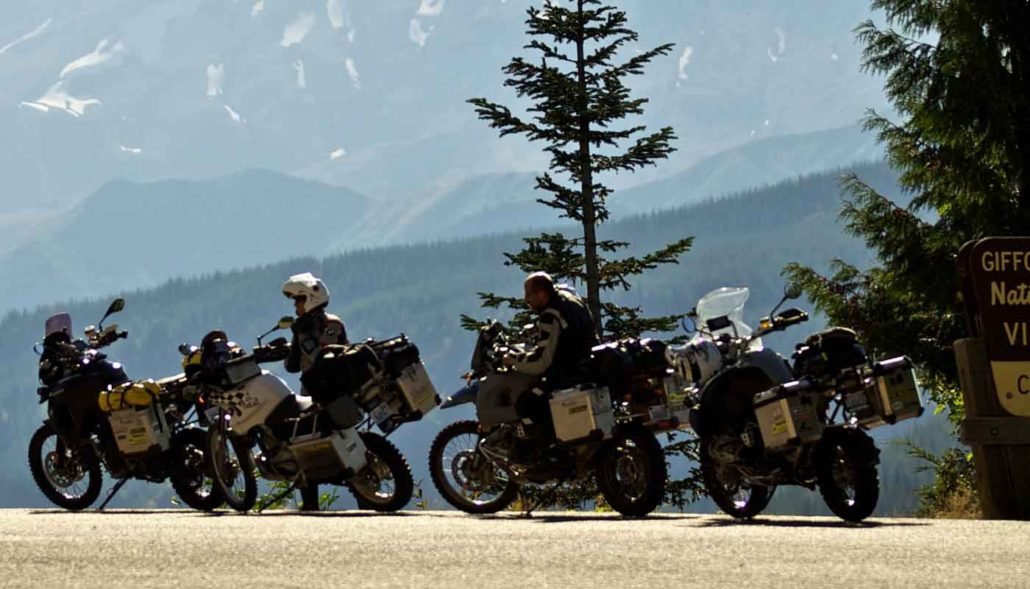
Adventure motorcycling has a strange relationship with roads.
We spend thousands of dollars modifying motorcycles to leave pavement.
We buy knobby tires, skid plates, soft luggage, navigation equipment and camping gear.
We debate whether 450cc is enough, whether 900cc is too much and how many inches of suspension travel a proper adventure bike really needs.
Then we load everything onto the motorcycle and head toward a thin line on a GPS map somewhere in the mountains.
But there’s something we tend to take for granted.
That road has to remain open.
And as adventure riding grows, keeping those roads available may become every bit as important as building better motorcycles to ride them.
That makes a new partnership between Backcountry Discovery Routes and the American Motorcyclist Association more significant than the usual organizational announcement.
On September 9, 2026, BDR and the AMA announced a formal memorandum of understanding intended to coordinate advocacy, responsible motorized recreation, route development, rider education and community engagement.
On the surface, that sounds administrative.
For adventure riders, it could be much more important.
Because the future of ADV riding doesn’t depend only on motorcycles.
It depends on access.
BDR Has Become Much Bigger Than a GPS Track
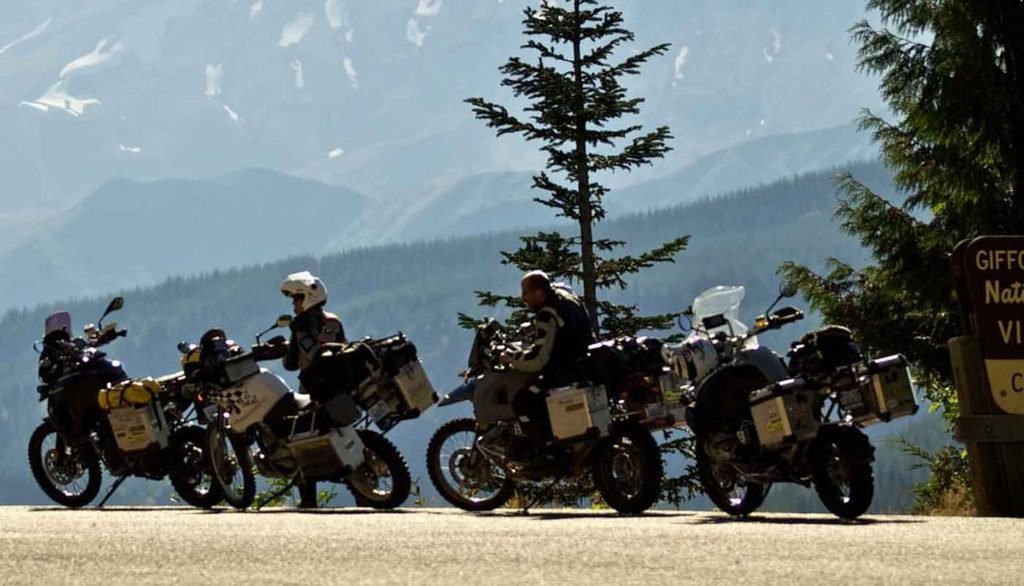
Photo credit: RideBDR.com 2026
Backcountry Discovery Routes has helped transform adventure riding in the United States.
The concept is brilliantly simple.
Develop long distance routes connecting existing backcountry roads.
Research them.
Map them.
Document them.
Provide GPS tracks and planning information.
Then make that information accessible enough that ordinary riders can plan serious backcountry motorcycle trips.
The result has become an enormous part of modern American ADV culture.
BDR says its network now makes more than 20,000 miles of backcountry tracks available to riders.
The organization also provides maps, GPS tracks, route condition information, planning resources, videos, and route-specific updates.
These aren’t private motorcycle trails.
That’s an important distinction.
BDRs largely depend on existing roads crossing a complicated patchwork of public lands, communities, and other jurisdictions.
Which means BDR doesn’t simply need to find great roads.
Those roads need to remain available.
The Roads Are the Infrastructure
Adventure riders spend a lot of time thinking about infrastructure.
Gas stations.
Campgrounds.
Motorcycle dealers.
Hotels.
Restaurants.
But the most important infrastructure may be the road itself.
Many of the places that make a BDR memorable exist because generations of other users needed access.
Forest roads.
Mining roads.
Logging roads.
Ranch roads.
County roads.
Fire-access roads.
Public-land routes.
Adventure riders inherited an extraordinary network of backcountry transportation infrastructure.
We didn’t build most of it.
And continued access isn’t guaranteed simply because a line appears on a GPS screen.
The AMA-BDR Partnership Is About That Problem
The new agreement brings together two organizations with very different strengths.
BDR brings nearly two decades of route development experience, relationships within the adventure-riding community, route resources, and a large audience of riders.
The AMA brings something BDR needs increasingly as the network grows:
organized advocacy.
The American Motorcyclist Association has government relations experience, a national membership base and an established infrastructure for dealing with issues affecting motorcycle access.
Under the new agreement, BDR plans to promote AMA advocacy work, and involve the AMA in route release events and film tours.
The AMA, in turn, plans to support campaigns protecting BDR routes and encourage members to participate in volunteer work, and route stewardship.
That’s the part riders should pay attention to.
This isn’t simply two motorcycle organizations cross-promoting one another.
They’re beginning to connect route creation with route protection.
And those two things increasingly need to happen together.
The Best Roads May Be the Most Vulnerable
There’s an uncomfortable reality hidden inside every good adventure route.
The road we love because it’s remote is often the road with the least political constituency protecting it.
A major highway isn’t going anywhere.
A remote forest road is different.
Maintenance may be limited.
A bridge can fail.
A wildfire can close an area.
A land management decision can change vehicle access.
Private property conflicts can emerge.
Local residents can become frustrated.
A gate can appear.
And suddenly a route that riders have been using for years changes.
BDR Executive Director Inna Thorn made essentially this point when the partnership was announced: the route sections riders value most can also be among those most vulnerable to closure.
That’s why advocacy matters.
Sometimes Access Is Lost Because Nature Wins
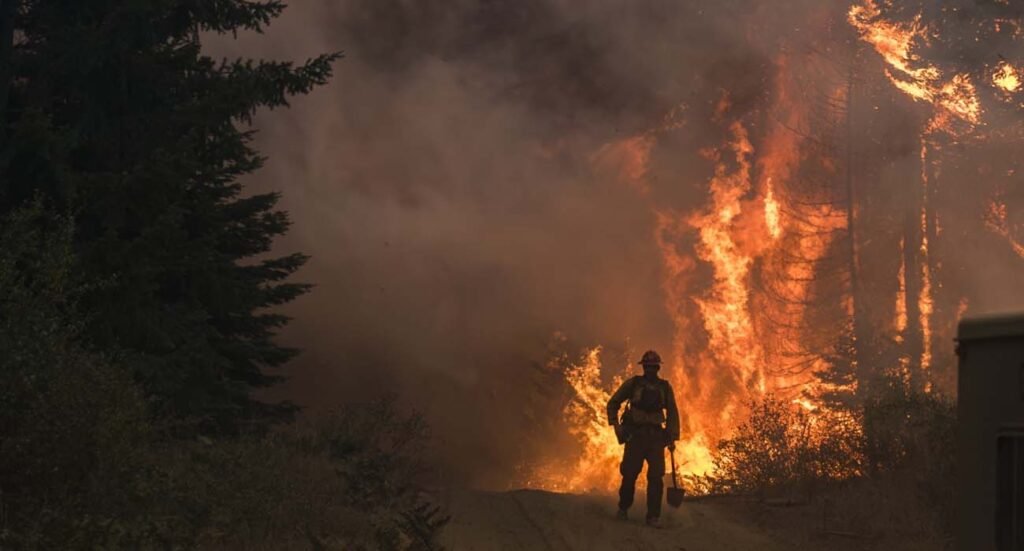
Not every closure is political.
In the West especially, wildfire has become part of adventure-route planning.
The 2026 riding season provides plenty of examples.
Washington BDR sections were affected this summer by the Little Giant Fire.
Oregon BDR sections faced closures related to the Austin and Grasshopper fires.
Idaho required a bypass around the Dudley Fire.
Other routes routinely change because of snow, damaged bridges, washouts, downed trees, and deteriorating road conditions.
That’s simply part of backcountry travel.
A GPS track isn’t a guarantee that the road will be passable.
Adventure riding requires flexibility.
Sometimes turning around is part of the adventure.
But Sometimes Riders Are the Problem
This is the part of the discussion the ADV community shouldn’t avoid.
Access can also be damaged by us.
BDR has repeatedly warned riders about complaints involving motorcycles traveling too quickly through residential areas, blocking roads, and behaving disrespectfully near communities.
The organization’s current route guidance emphasizes slowing near homes, minimizing dust and engine noise, staying on designated routes, respecting gates, avoiding private property, and not creating new trails.
That isn’t corporate public relations language.
It’s access protection.
Because consider the situation from the other side.
You live on a quiet rural road.
For years, traffic is minimal.
Then someone publishes a GPS route.
Motorcycles begin appearing.
Then more motorcycles.
Then groups of motorcycles.
Most riders wave and continue quietly.
A few accelerate past the house.
Someone stops ten motorcycles in front of your driveway.
Another rider leaves a gate open.
Someone decides the posted route isn’t interesting enough and explores private property.
Which riders do you remember?
Probably not the responsible ones.
One Rider Can Represent Thousands
Every time we ride through a small community, we’re representing the riders who will come after us.
That may sound dramatic.
It isn’t.
Access decisions are frequently shaped by people who don’t ride motorcycles.
Land managers.
County officials.
Property owners.
Ranchers.
Residents.
Forest personnel.
Law enforcement.
To them, the distinction between one irresponsible rider and the ADV community as a whole may not be particularly important.
That’s why responsible riding isn’t merely etiquette.
It’s advocacy.
Every quiet pass through a residential area helps.
Every gate left as it was found helps.
Every piece of trash carried out helps.
Every respectful conversation with a landowner helps.
And every rider who does the opposite makes someone else’s advocacy job harder.
BDR’s Growth Changes the Responsibility
Adventure riding isn’t obscure anymore.
Motorcycle manufacturers have noticed.
Dealers have noticed.
Gear manufacturers have noticed.
Tour operators have noticed.
And riders certainly have.
Nearly every major manufacturer now sells motorcycles designed around some interpretation of adventure travel.
At the same time, BDR has built a network exceeding 20,000 miles of backcountry tracks.
That success creates a new challenge.
A route used by a few hundred experienced backcountry travelers creates one kind of impact.
A route downloaded by thousands of riders creates another.
The larger the community becomes, the more important behavior becomes.
Growth gives motorcyclists a larger voice.
It also gives everyone else more opportunities to notice us.
Adventure Riding Has an Economic Argument
There’s another reason the AMA-BDR partnership matters.
Riders spend money.
According to the organizations’ announcement, BDR activity generates more than $60 million in annual economic impact for local communities.
That matters because many BDR routes intentionally pass through small towns.
Those towns provide:
Fuel.
Food.
Hotels.
Campgrounds.
Repairs.
Groceries.
Coffee.
Supplies.
Sometimes a motorcycle shop.
A group of riders arriving in a small community may represent several hotel rooms, restaurant meals, and fuel stops.
Multiply that across an entire riding season and adventure tourism becomes meaningful.
That gives the ADV community something important in access discussions:
Economic value.
But Economic Value Isn’t a Permission Slip
Spending money doesn’t excuse bad behavior.
A rider can’t blast through a residential area and then argue that buying gasoline somehow compensates everyone.
Economic impact is useful because it gives communities a reason to view responsible adventure tourism positively.
It works only if the relationship remains mutually beneficial.
The ideal BDR traveler arrives in a town, buys fuel, eats lunch, maybe stays overnight, and leaves the community slightly better off for having visited.
That’s a powerful argument for keeping adventure tourism welcome.
Rural Communities Are Part of the Route
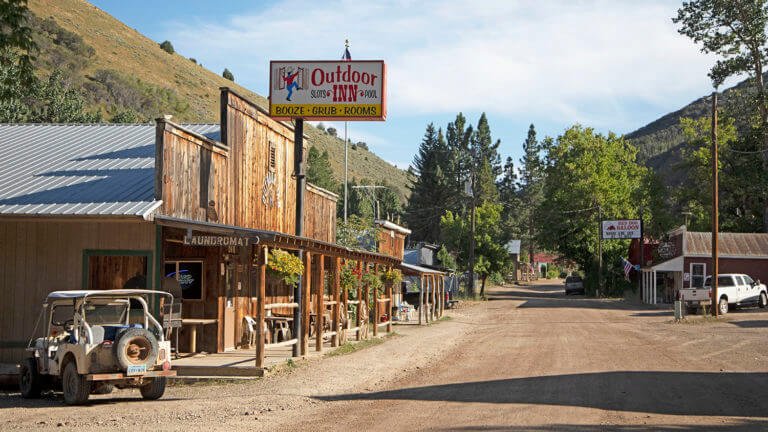
Sometimes we treat the towns along a BDR as waypoints.
They’re more important than that.
They’re part of the route.
A small gas station may be what makes the next 150 miles possible.
A motel may become invaluable when weather turns bad.
A hardware store may have the bolt needed to keep a damaged motorcycle moving.
A local resident may know the road ahead is washed out long before any website gets updated.
Adventure travel depends on these communities.
Supporting them isn’t charity.
It’s part of maintaining the ecosystem that makes this kind of travel possible.
Route Stewardship Needs to Become Part of ADV Culture
The ADV community is very good at talking about preparation.
Carry tools.
Carry water.
Know how to repair a tire.
Download offline maps.
Pack layers.
Check the motorcycle.
Maybe stewardship belongs on that checklist too.
Before riding a route:
Check current closures.
Download the newest GPS tracks.
Understand fire restrictions.
Respect seasonal closures.
Know where private property intersects the route.
Follow official bypasses.
Don’t ride around locked gates.
Don’t create shortcuts.
Those behaviors aren’t less adventurous.
They’re what allow adventure riding to continue.
A Locked Gate Isn’t an Obstacle to Conquer
This one deserves its own section.
Adventure riding encourages problem solving.
Road washed out?
Find another route.
Tree down?
Maybe move it or safely bypass it.
Wrong turn?
Navigate back.
That mindset is part of the appeal.
But a locked gate isn’t a riding challenge.
It’s a closure.
Go around it and you may be trespassing.
Worse, photos or tracks showing riders bypassing closures can create evidence that motorized users aren’t respecting access restrictions.
The correct adventure sometimes involves turning around.
That’s frustrating.
It’s still better than helping close the road permanently.
Social Media Changes the Equation
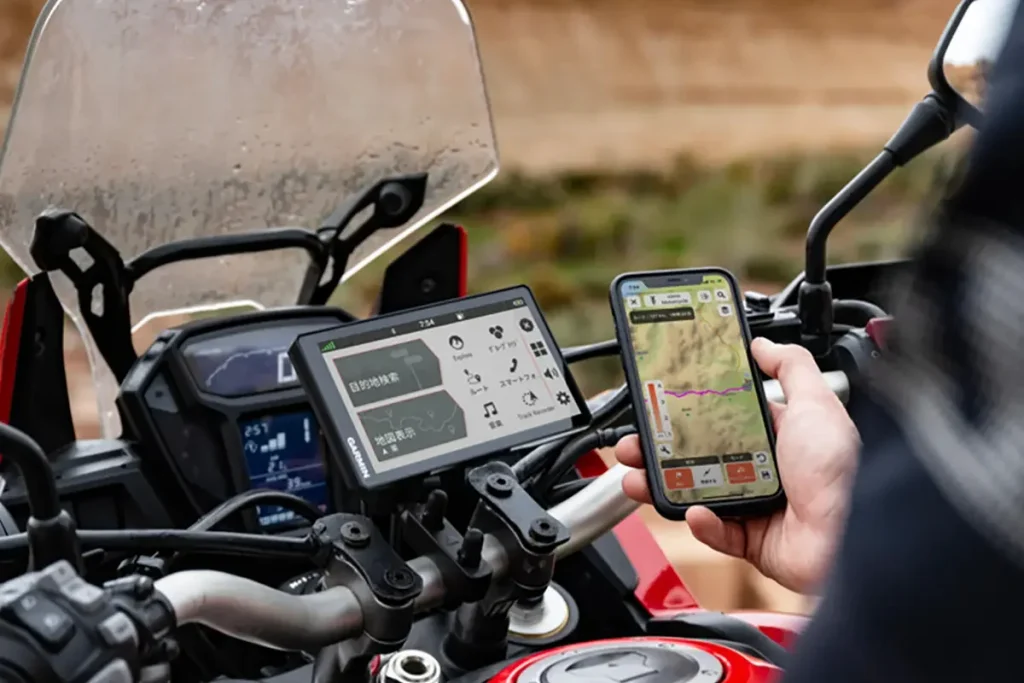
Adventure routes once spread largely through local knowledge.
Now a spectacular road can be shared with thousands of people overnight.
GPS files travel instantly.
YouTube videos show exactly where difficult sections are.
Instagram puts remote locations in front of enormous audiences.
Websites, including this one, encourage people to explore.
That creates responsibility for motorcycle media too.
We can’t simultaneously encourage people to visit remote places and pretend we’re uninvolved in what happens when they arrive.
That applies to In A Day’s Ride as much as anyone else.
Good adventure content should tell riders where to go.
Better adventure content should also help them understand how to go there responsibly.
Advocacy Isn’t Particularly Exciting, Until You Need It
Most riders would rather spend $50 on fuel than $50 supporting an advocacy organization.
That’s understandable.
Fuel creates an immediate result.
You go riding.
Advocacy works differently.
When it’s successful, sometimes nothing happens.
A road stays open.
A proposed restriction changes.
Motorized recreation gets represented during a planning process.
A route remains available.
That’s difficult to photograph.
But losing access is extremely easy to notice.
Suddenly the GPS line ends at a gate.
This Is Where the AMA Can Matter
The AMA’s role in the new partnership is important precisely because access decisions don’t happen only on the trail.
They happen in:
Agency meetings.
Public-comment periods.
Legislatures.
Land-management planning.
Local government.
Administrative processes.
Most individual riders don’t have the time or expertise to follow every proposal that could affect motorized access.
Organizations do.
BDR understands routes and riders.
The AMA understands advocacy infrastructure.
Combining those strengths makes sense.
Riders Still Have to Do Their Part
No organization can protect access if riders continually create conflicts.
The AMA can advocate.
BDR can build relationships.
Volunteers can maintain routes.
But none of them can undo every negative interaction created by careless riders.
That means access ultimately has two fronts.
Institutional advocacy.
And:
Individual behavior.
We need both.
What Responsible Adventure Riding Actually Looks Like
It isn’t complicated.
Ride at reasonable speeds near homes.
Reduce dust when passing people.
Keep noise down.
Yield appropriately.
Respect livestock.
Stay off private property.
Leave gates as you find them.
Pack out trash.
Follow closures.
Don’t create new trails.
Spend money in communities along the route.
Be polite when someone asks what you’re doing.
And remember that the person watching you may decide whether the next motorcycle is welcome.
None of that diminishes adventure.
It protects it.
The Pacific Northwest Shows Why This Matters
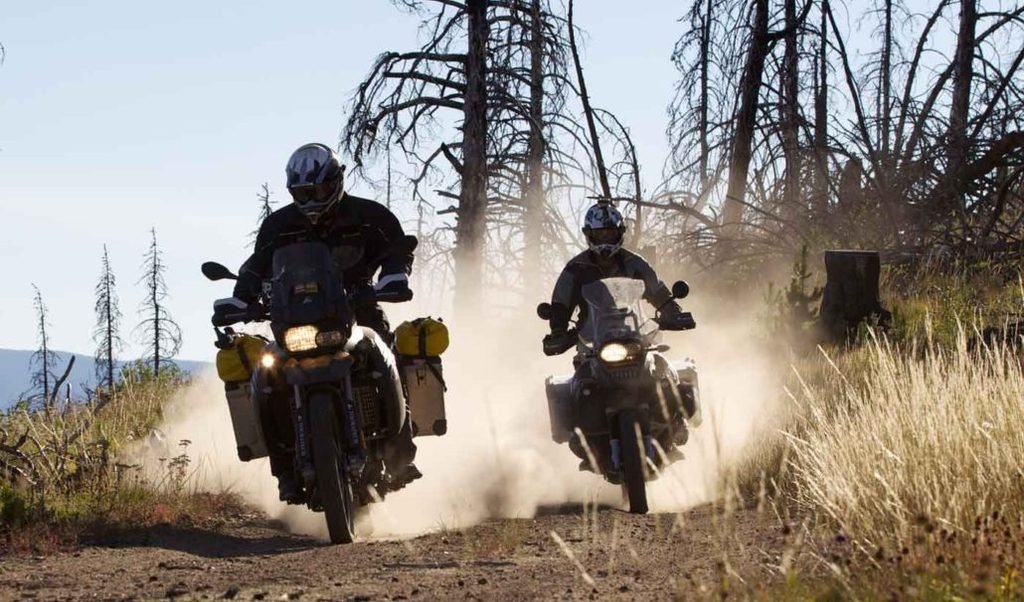
Photo credit: RideBDR.com 2026
For riders in the Pacific Northwest, this isn’t theoretical.
Washington and Oregon contain extraordinary networks of forest roads and public land routes.
They’re also places where wildfire, seasonal closures, logging activity, changing road conditions, and residential conflicts can alter a route quickly.
The Oregon BDR’s 2026 updates included multiple wildfire related closures and a reroute near Hood River.
BDR also specifically noted complaints from residents about riders speeding through neighborhoods near part of the Oregon route.
That’s the entire access issue compressed into one example.
The route exists.
People want to ride it.
Conditions change.
Communities are affected.
Riders have choices.
And those choices influence what happens next.
The Future of ADV Riding Isn’t Just Better Motorcycles
We’ve spent a lot of time recently at In A Day’s Ride asking what the ideal adventure motorcycle looks like.
Maybe it’s a lightweight 450.
Maybe it’s a 700.
Maybe it’s a rally-inspired 690.
Maybe it’s a 950 capable of crossing a continent.
Those are interesting questions.
But none of those motorcycles matter if there’s nowhere left to ride them.
A 21-inch front wheel doesn’t protect access.
Long-travel suspension doesn’t protect access.
A larger fuel tank doesn’t protect access.
Riders do.
Organizations do.
Communities do.
Relationships do.
More Riders Can Be a Good Thing
It’s easy to view growth negatively.
More riders mean more traffic.
More pressure.
More potential conflicts.
But that’s only half the story.
More riders also mean:
More economic impact.
More volunteers.
More organization members.
More people writing public comments.
More people supporting rural businesses.
More people contributing to route stewardship.
More political relevance.
A growing ADV community can become a powerful constituency for keeping responsible motorized recreation available.
But only if it behaves like one.
Adventure Riding Needs to Earn Its Welcome
This may be the most important idea in the entire discussion.
We often talk about access as something that belongs to us.
In many places, that’s legally true.
These are public roads on public lands.
But legal access and social acceptance aren’t exactly the same thing.
A community that sees responsible riders buying lunch and fuel may support adventure tourism.
A community dealing with speeding, dust, noise and trespassing may start asking why motorcycles need to be there at all.
Those attitudes eventually matter.
So perhaps the goal shouldn’t merely be to defend access.
It should be to make motorcyclists the kind of users communities want to keep access for.
The AMA-BDR Partnership Is a Good Start
A memorandum of understanding isn’t going to prevent every closure.
It won’t rebuild washed out bridges.
It won’t stop wildfires.
It won’t solve every disagreement over public land access.
And it certainly won’t make irresponsible riders disappear.
But it recognizes something important.
Creating routes isn’t enough anymore.
As BDR riding grows, protecting the routes has to become part of the mission.
BDR brings the roads, relationships and riders.
The AMA brings an established advocacy network.
Riders bring the final piece.
Behavior.
The Road Ahead
The adventure-motorcycle industry will continue giving us new things to talk about.
More motorcycles.
Better suspension.
New tires.
New luggage.
New navigation systems.
New technology.
We’ll cover all of it.
But occasionally we need to talk about the thing underneath the motorcycle.
The road.
Because every BDR map represents more than a line connecting interesting places.
It represents access that someone researched.
Land that someone manages.
A road that someone maintains.
A community that someone calls home.
And an opportunity that future riders will either inherit from us or won’t.
The next time we ride through a small town, pass a ranch, encounter a gate or follow a forest road deep into public land, it’s worth remembering:
We’re not the last riders who want to be there.
Adventure riding isn’t only about finding roads worth riding. It’s about making sure those roads are still worth and available for riding tomorrow.
The AMA and BDR can advocate for that future.
The rest of us have to help protect it.
Sources & Rider Resources
Before riding any BDR, riders should consult the official BDR route updates and download the latest GPS tracks rather than relying on older saved versions.
BDR also publishes its Ride Respectfully guidance covering community behavior, gates, private property, animals, noise, dust and trail stewardship.
Continue Reading
When Did Adventure Bikes Get Too Big?
Our look at how the adventure motorcycle category changed and why lighter motorcycles are returning.
The Best Adventure Bike Isn’t the Biggest One: How to Choose the Right ADV by Mission
Choosing an adventure motorcycle around the riding you actually intend to do.
Is the Ibex 450 the Adventure Bike Most Riders Actually Need?
Why lower weight and manageable performance can matter more once pavement ends.
The Lightweight ADV Sweet Spot: Ibex 450 vs Himalayan 450 vs KTM 390 Adventure R
Three different approaches to building a smaller adventure motorcycle.
690 Rally vs 640 Adventure: Did KTM Finally Build the 640’s Successor?
The case for the travel enduro formula: enough power, real range, and serious dirt capability.